Zia Randhawa - Knowledge Curator
Zia Randhawa serves as the Knowledge Curator for Shabab Al Yola. He has a strong background in fashion history with a keen eye for modern trends. Zia conducts in-depth research on global thobe styles, fabric innovations, and market shifts. His work bridges the gap between traditional modesty and contemporary fashion to provide readers with data-backed insights and style guides.
The thobe (also spelled thawb or thoub) is a long robe worn by Muslim men across many parts of the world. It covers the body from the shoulders to the ankles and has full-length sleeves.
What makes thobes fascinating is the variety. The name changes from one country to the next. The collar, color, fabric, and the way the garment is worn all shift depending on the region and its culture. A Najdi thobe from Saudi Arabia and an Egyptian galabeya begin from the same basic idea, but they look and feel entirely different.
This article covers all the major thobe styles found across the Arab world, Africa, and South Asia. Each style has its own description, including specific features, cultural context, and the traditional accessories that come with it.
The Gulf Cooperation Council, commonly known as the GCC, is a regional alliance of six Arab countries located on or near the Arabian Gulf. These countries are Saudi Arabia, the United Arab Emirates, Qatar, Oman, Kuwait, and Bahrain.
The thobe is the standard national dress for men across all six GCC countries. It is worn in daily professional life, for religious occasions, and at formal events. Each country has developed its own version of the thobe over centuries. Local people can usually tell these versions apart by looking at the collar, the cut, the fabric, and the accessories worn alongside it.
The Najdi thobe originates from the Najd region, which is the central plateau of Saudi Arabia. The capital city, Riyadh, is located in this region.
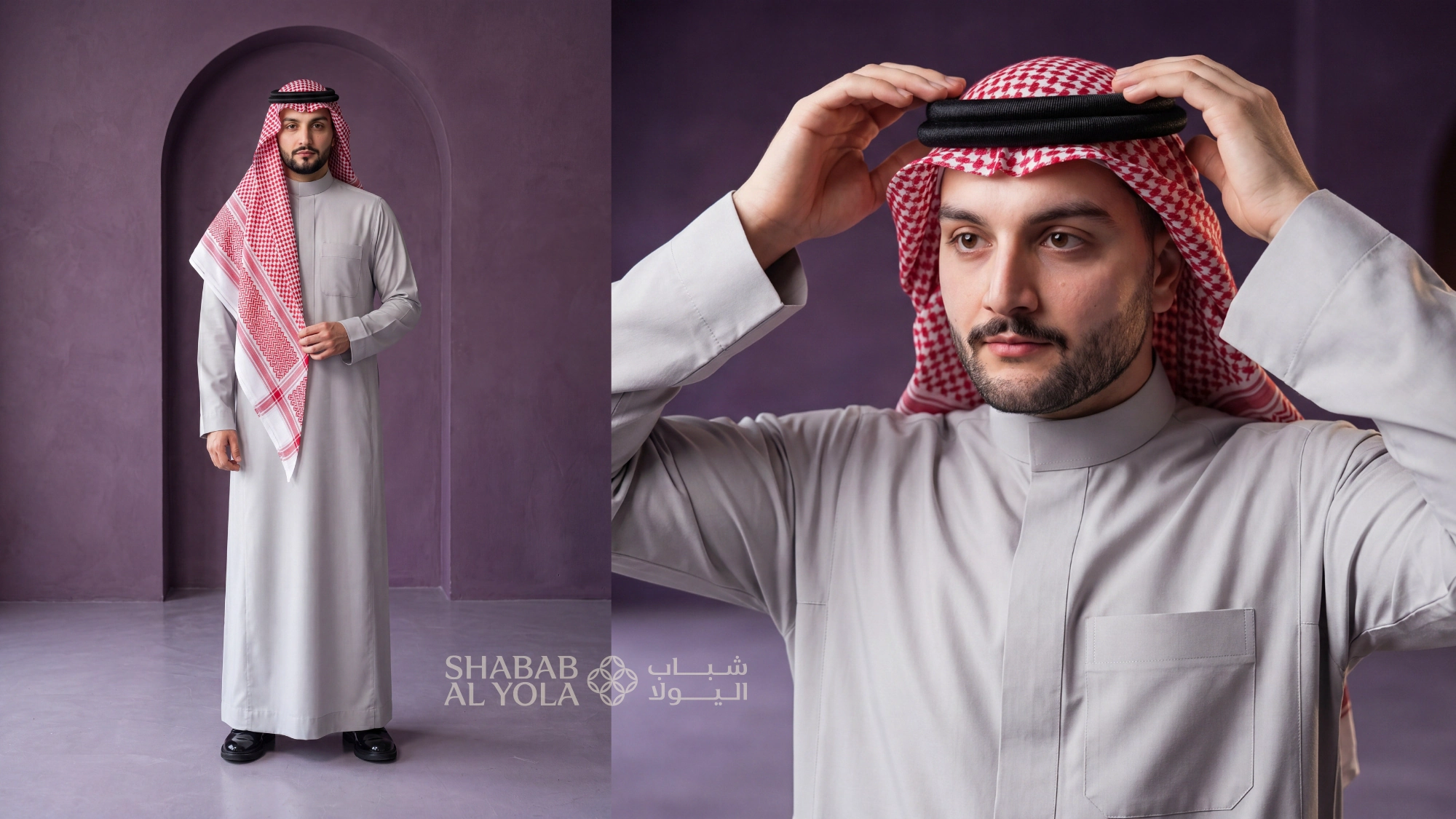
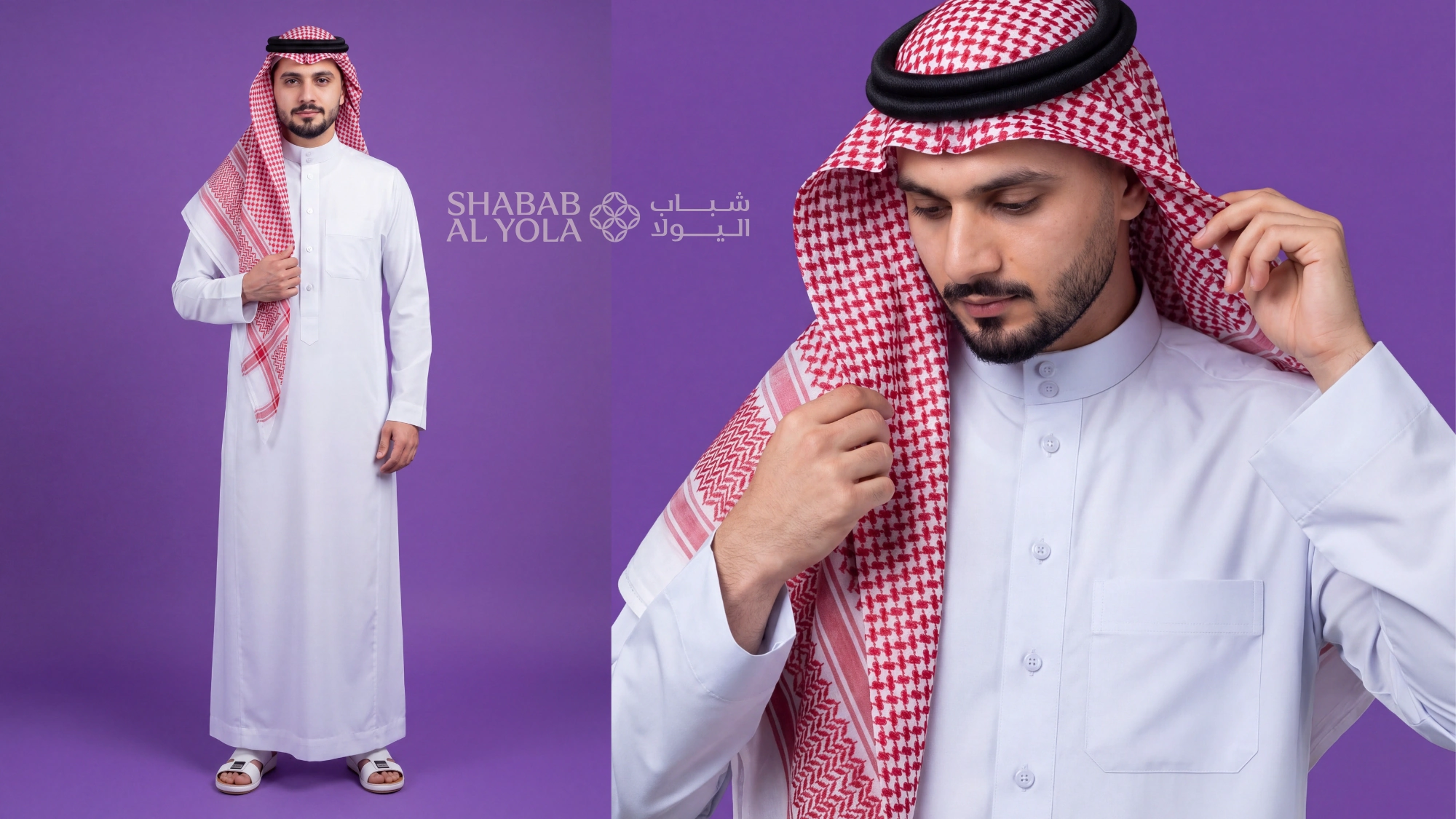
This style is considered the most structured and formal thobe in the Gulf. Its defining feature is a stiff, stand-up collar. This collar type is commonly known as a mandarin collar or band collar. It is heavily starched to keep its sharp shape throughout the day.
The body of this Saudi thobe follows a straight, upright cut. There is no flare or extra volume in the garment. It falls straight from the shoulders to the ankle. Long sleeves end at the wrist with neat button cuffs.
White is the dominant color. In winter, men may choose versions made in beige, cream, or light gray from heavier fabrics. The preferred fabric is Egyptian cotton, which holds a sharp press well and remains breathable in the Saudi climate.
The front of the garment has a button placket running from the collar to the chest. A single breast pocket sits on the left side.
The Hijazi thobe comes from the Hijaz region, the western coastal strip of Saudi Arabia that runs along the Red Sea. This area includes the holy cities of Mecca and Medina, as well as the commercial city of Jeddah.
Jeddah has been one of the most important port cities in the Arab world for many centuries. It served as the main entry point for pilgrims arriving for Hajj and Umrah, and as a major trading center for the broader region. This long history of movement and cultural exchange has influenced local dress.
The Hijazi thobe is more relaxed in its construction than the Najdi style. The collar is softer and does not carry the same stiffness as the Najdi band collar. It may resemble a turn-down collar, more closely resembling a dress shirt collar. The body of the garment has more fabric ease, giving it a looser fit overall. This suits the warm and humid weather of the Red Sea coast well.
In the United Arab Emirates, the national dress for men is called the kandura. The term dishdasha is also understood, but Emiratis most commonly use the word kandura or kandora.
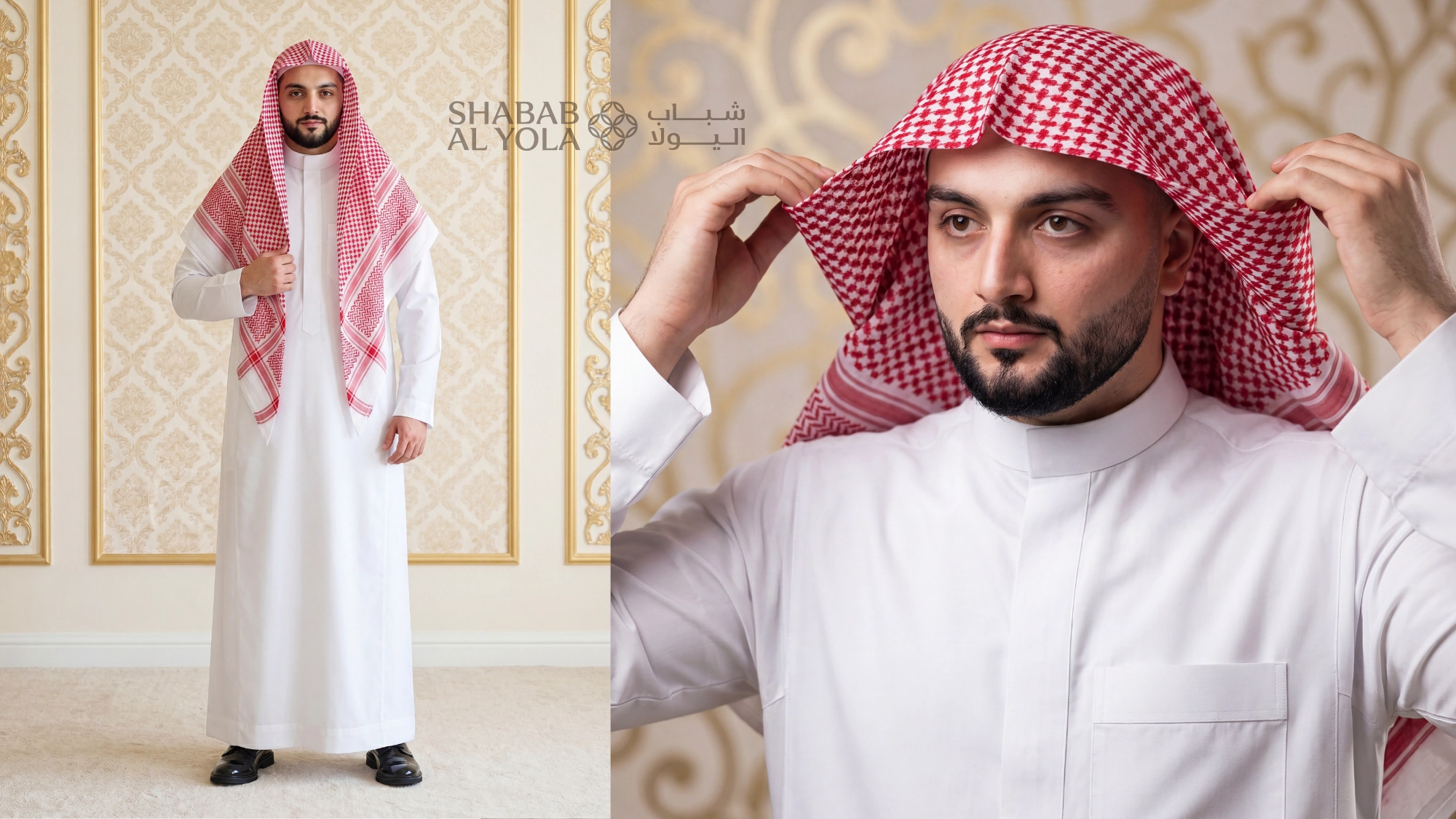
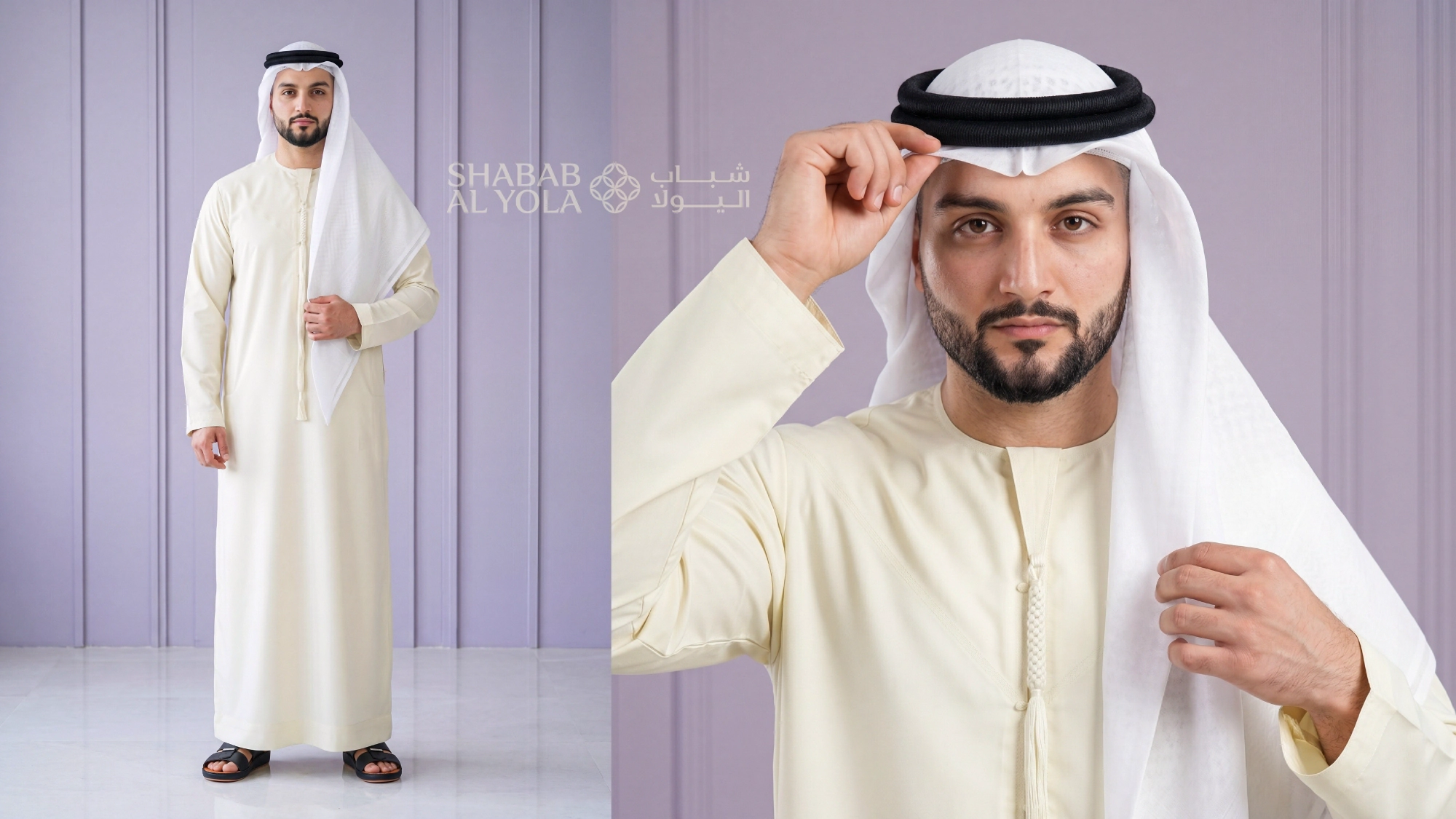
The Emirati kandura is white and reaches the ankle. It has a relaxed, flowing silhouette rather than a structured shape. The collar is not present; that's why the neckline is finished neatly. You will usually see a tassel called “tarboosh” hanging in the middle of the chest. Tarboosh length can be short or long, depending on one's choice.
A kandura typically has no breast pocket, or at most a small inner pocket. The cuffs are neat and simple. The fabric is usually fine white cotton or a cotton-polyester blend that works well in the warm UAE climate.
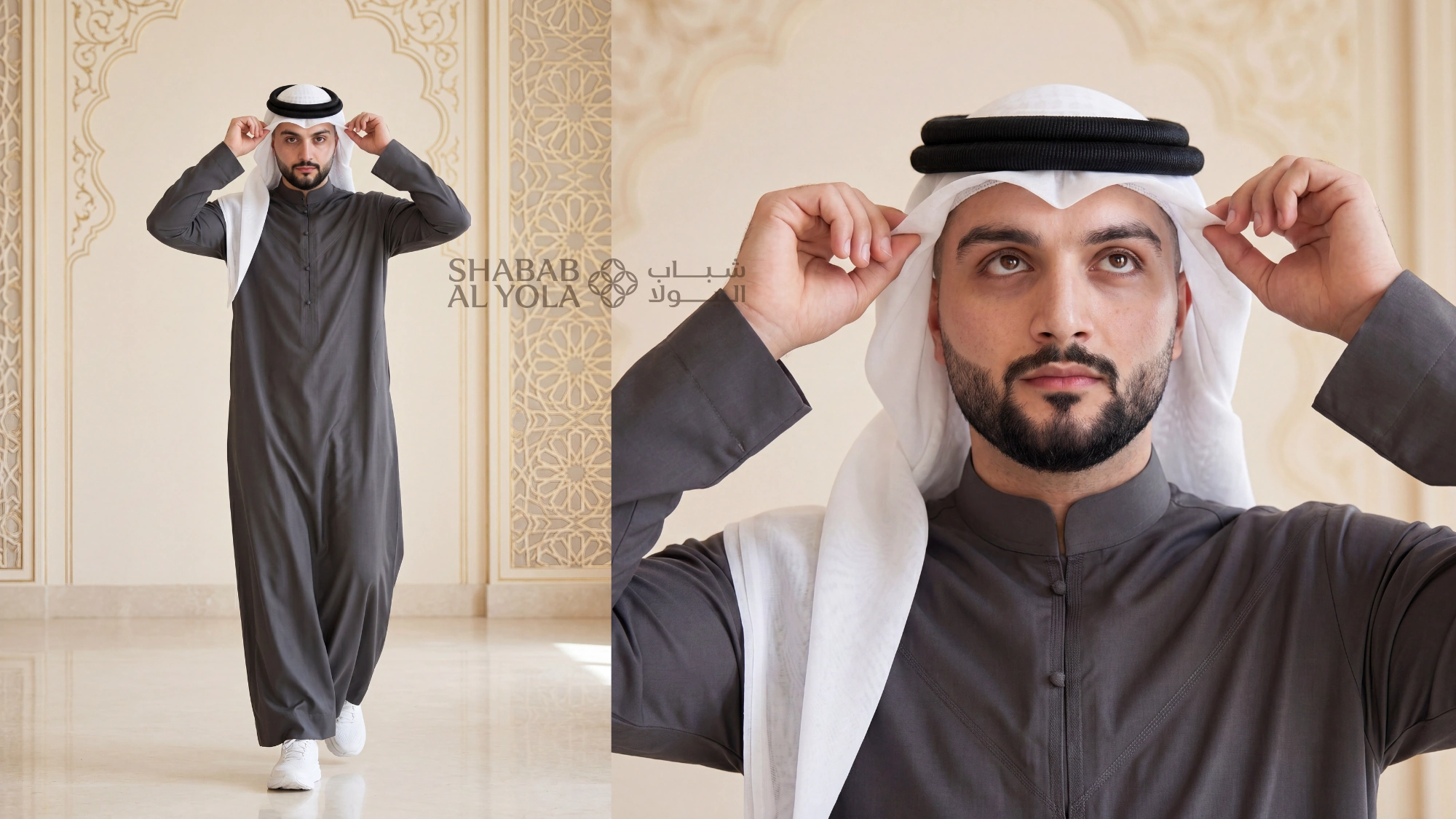
For formal occasions, Emirati men pair the kandura with a ghutra, which is a white cotton headscarf. The ghutra is held in place by an agal, a black doubled rope cord placed on top of the ghutra. At very formal events, a bisht is worn over the kandura.
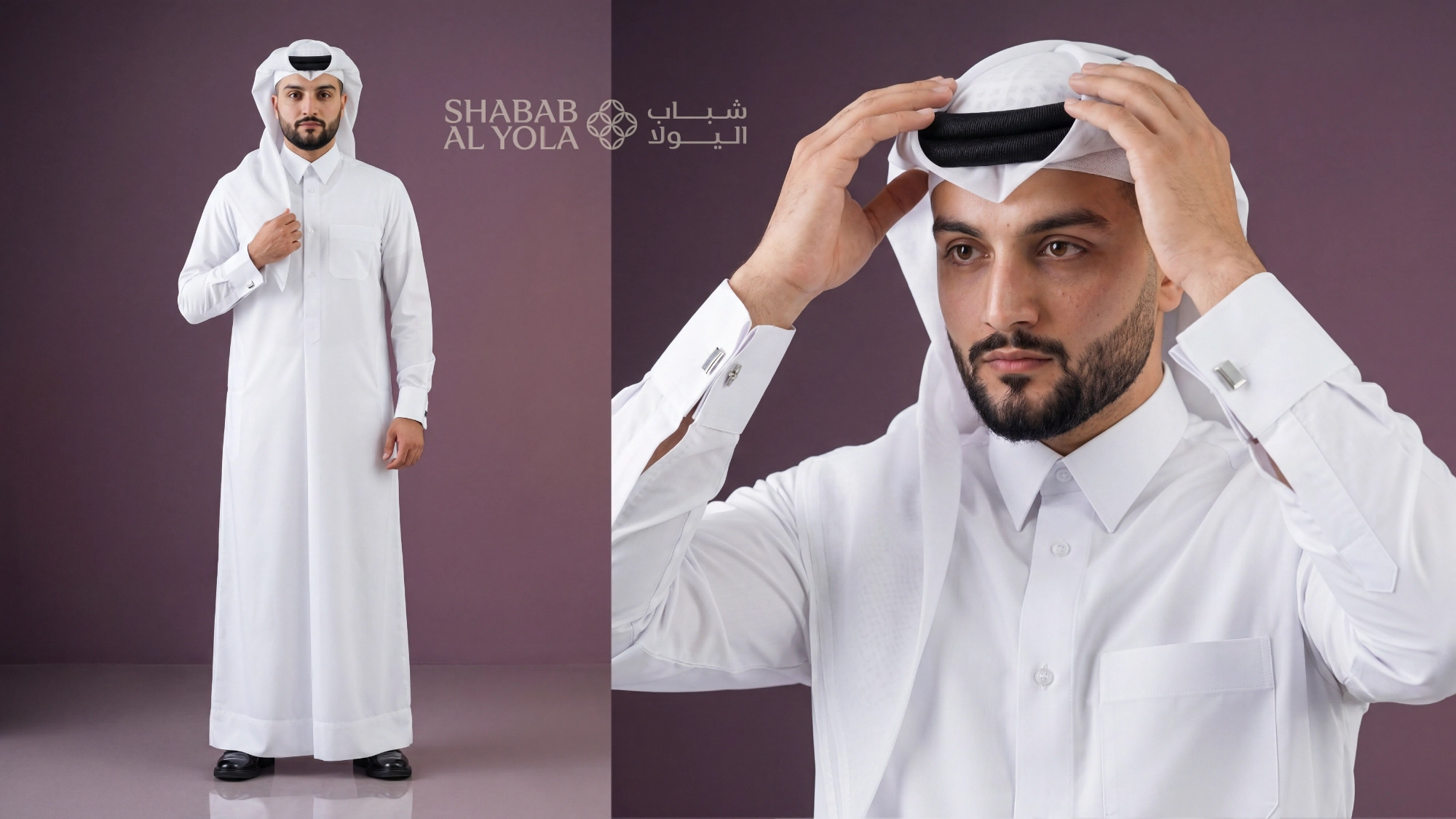
The Qatari thobe looks like a Saudi thobe, but it has a straight collar just like a formal dress shirt. Sometimes the collar may also include fine embroidery stitched in white thread, creating a simple yet tasteful decorative detail visible only up close.
Like other Gulf thobes, the Qatari version is almost exclusively white. It is worn with a ghutra and agal. The fabric used for Qatari thobes is usually shinier than that of other thobe styles.
Also Read:Different types of Headwear
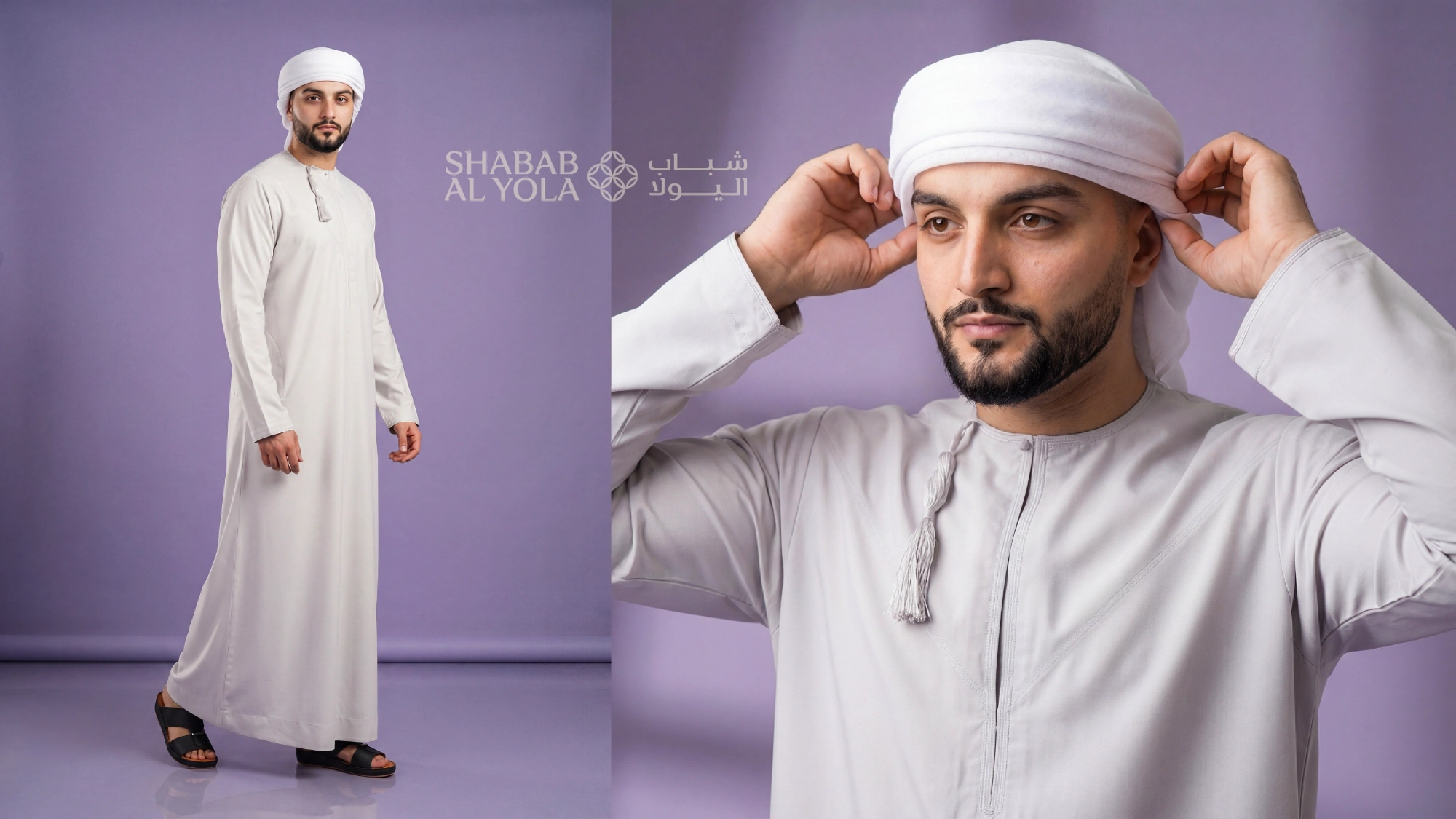
Several features set the Omani Thobe apart from all other GCC styles in a clear and visible way. The first standout feature is the furkha. A furkha is a decorative tassel, like the one on the Emirati Kandura, that hangs from the right side of the dishdasha's neckline. It is made from the same fabric as the garment or from twisted decorative thread.
The second major distinction is the color range. While men across other GCC countries almost always wear white, Omani men wear their dishdashas in a variety of colors. Cream, light brown, lilac, light blue, and white are all common and respected choices in Oman.
Unlike the Emirati Kandura, the Omani dishdasha has no collar.
Omani men also have specific headwear that accompanies the dishdasha. The kuma is a small, round cap covered in intricate geometric embroidery. It sits directly on the head. The mussar is a fine, woven cloth that wraps around the head as a turban, often in a checked pattern. Both the kuma and the mussar belong specifically to Omani culture and are not standard headwear in other Gulf countries.
The Kuwaiti dishdasha shares strong visual similarities with the Saudi Najdi thobe. If you see a Gulf thobe with a prominent stiff collar and a more tailored shape, it is often a Saudi-style thobe. If the thobe appears softer, looser, and less structured around the collar and chest, it is more likely a Kuwaiti dishdasha.
These are the minor differences and may take practice to identify. The Kuwaiti dishdasha is also worn with a ghutra and agal. A bisht is added for formal and ceremonial occasions.
The Bahraini thobe follows the Gulf style in its main features. But the Bahraini thobe has a different collar and subtle embroidery on the collar and along the front placket.
The collar is noticeably less wide and taller than the Saudi thobe. Unlike the Saudi thobe, the collar doesn't have any buttons on it. Instead, you will notice the corners of the collar are rounded from the front edges.
Yemen sits at the southwestern corner of the Arabian Peninsula, but Yemeni dress traditions are quite different from those of the neighboring Gulf countries. In many parts of
In Yemen, men wear their thobe with a futah, a traditional wrap-around cloth worn around the lower body. The thobe is worn above the futah or in various combinations depending on the region and occasion.
The Yemeni thobe itself is a full-length, long-sleeved garment made from cotton. The collar is typically soft and straight. White is the most common color, though other light tones are also worn.
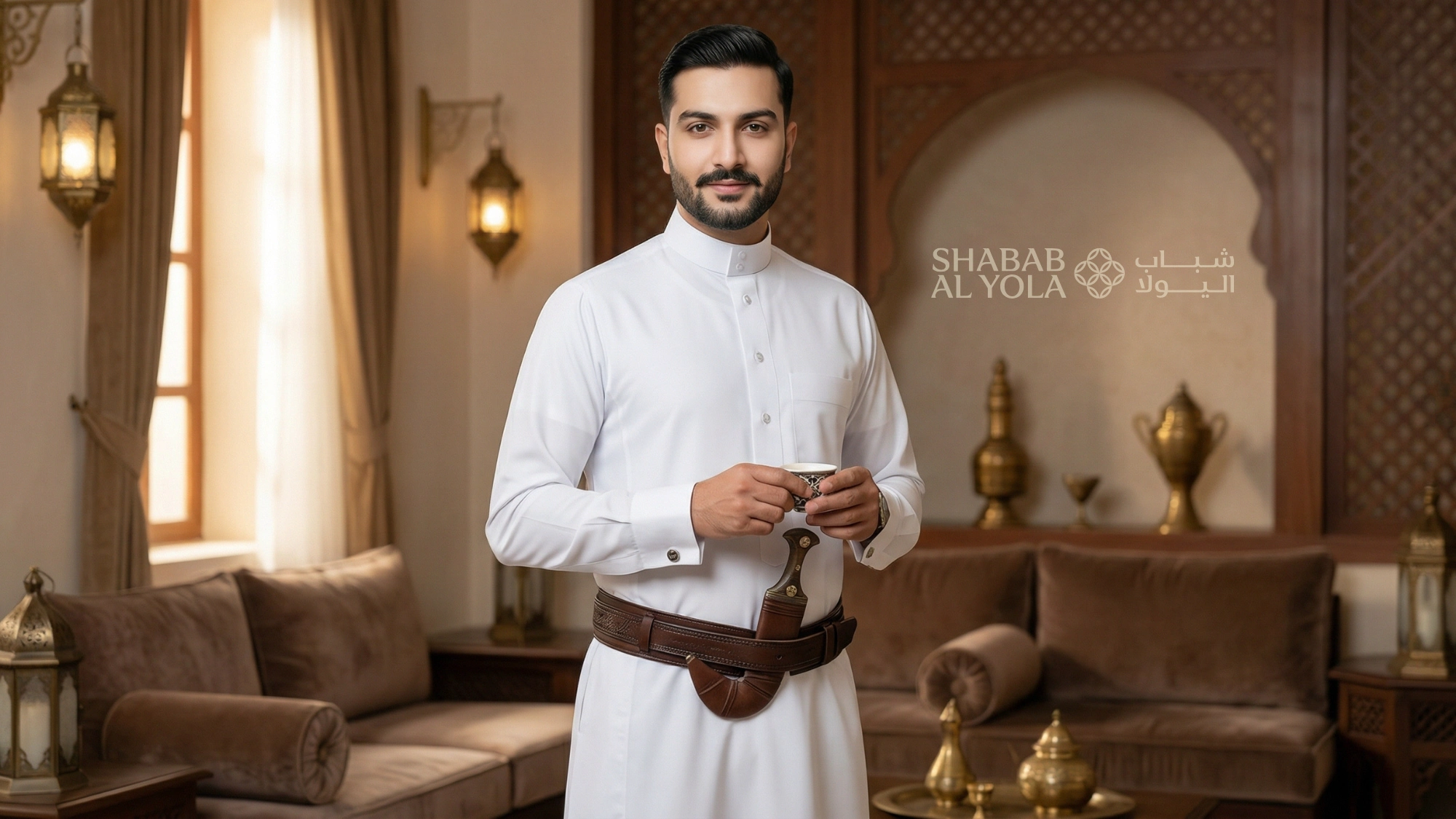
A key part of traditional Yemeni male dress is the janbiya, a curved dagger worn on a decorated belt at the waist. The janbiya is a cultural symbol of Yemeni manhood and tribal identity.
The Levant is the eastern Mediterranean region covering Syria, Lebanon, Jordan, and Palestine. Egypt, located in North Africa, has deep cultural ties to the Arab world and has developed its own long robe traditions over many centuries.
The traditional robes of this region are generally less formal than Gulf thobes and are more closely tied to everyday life rather than national formal dress.
1- The Egyptian Jellabiya (Galabeya)
The galabeya (also written as gallabiya or jellabiya) is the traditional long robe of Egyptian men. It is one of the most widely worn traditional garments in the Arab world and is a genuine everyday item in Egyptian life.
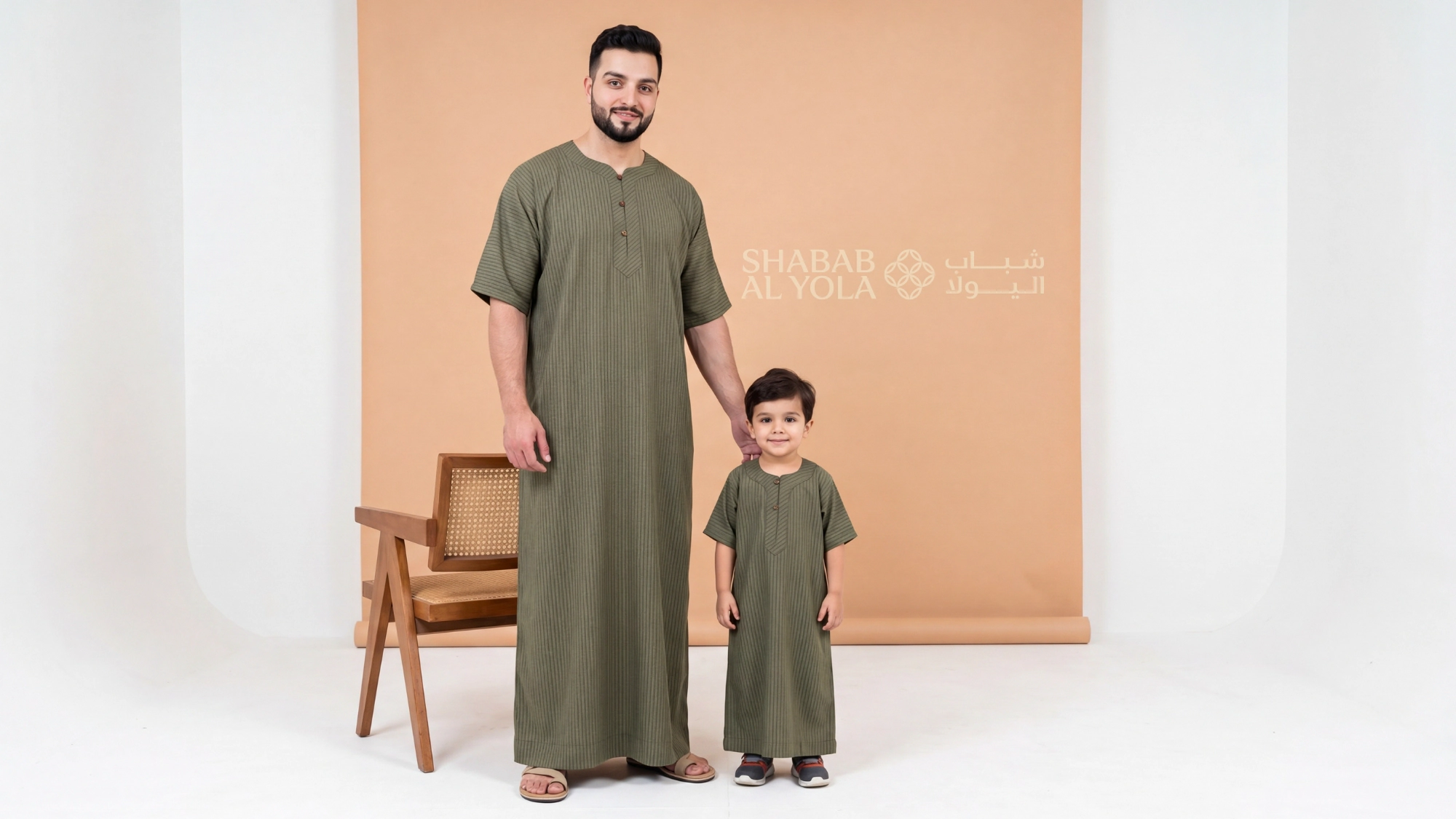
A galabeya is a loose, full-length robe with long or elbow-length sleeves. It is made of cotton in the summer and of flannel or a heavier fabric in the winter. The galabeya comes in two variations. First, the simple thobe with a collarless V-shaped neckline. Second, the collarless rounded neck with light embroidery on the front.
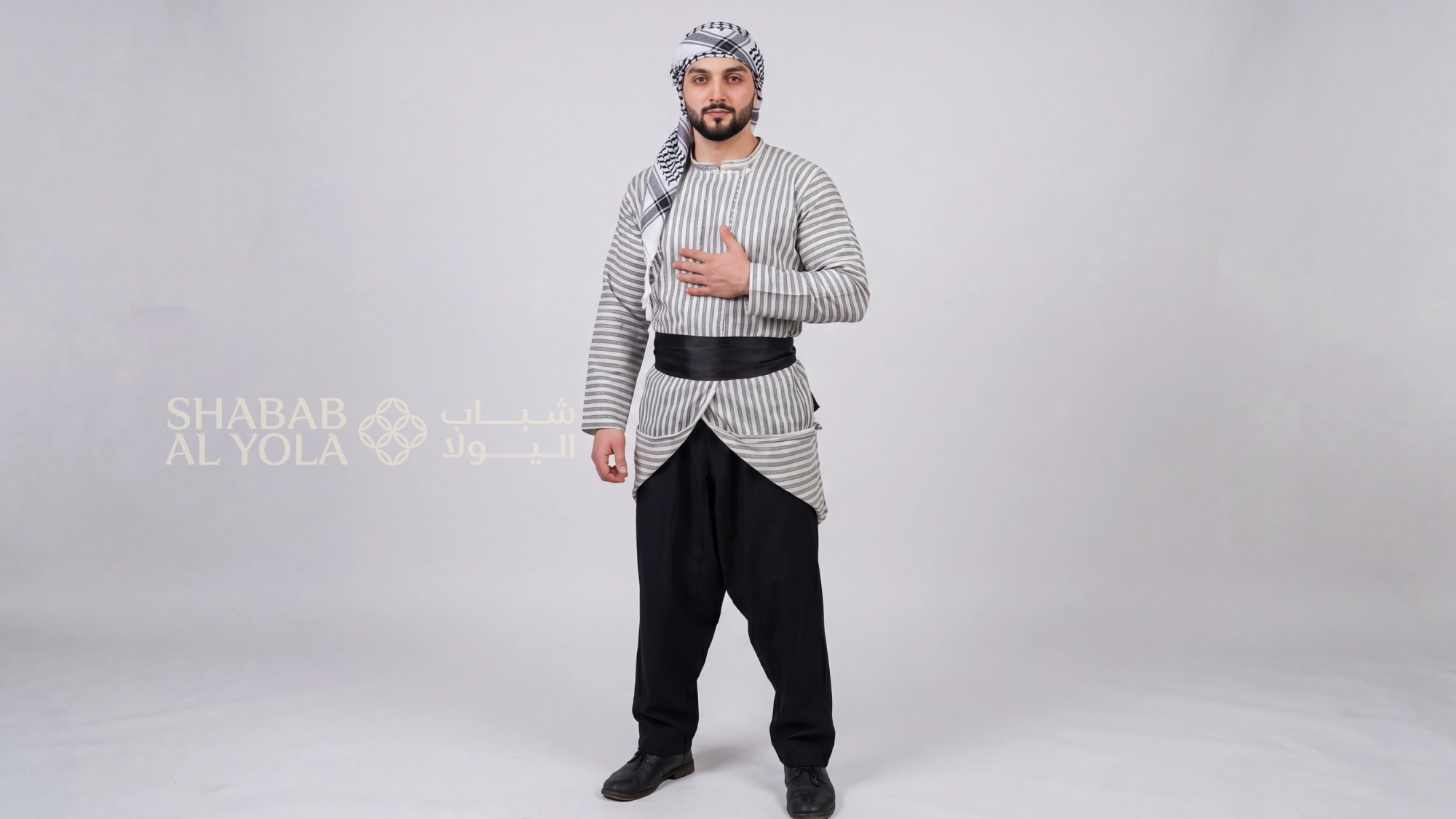
The Palestinian thobe carries cultural meaning that reaches far beyond clothing. For Palestinian men, the thobe follows a style similar to other Levantine garments. It is a simple, long thobe in white or natural tones with minimal decoration.
The Palestinian thobe, particularly the embroidered women's version, has grown in significance as a living symbol of Palestinian cultural heritage and identity.
Morocco has two main traditional garments that together form the Moroccan equivalents of the thobe.
The gandoura is a loose, sleeveless or short-sleeved robe. It is worn as a standalone summer garment or as an under-layer beneath the djellaba. Made from lightweight cotton or linen, it is an airy option for warm days.
The djellaba is the more internationally recognized Moroccan garment. It is a full-length, hooded thobe with long sleeves. Men's djellabas are typically made in neutral and earthy tones such as beige, brown, white, and gray. The djellaba is worn by both men and women, though styling and color choices differ between genders.
The most distinctive feature of the djellaba is its pointed hood, called the qob. The qob hangs down the back when not in use and can be pulled forward over the head for protection from sun or rain.
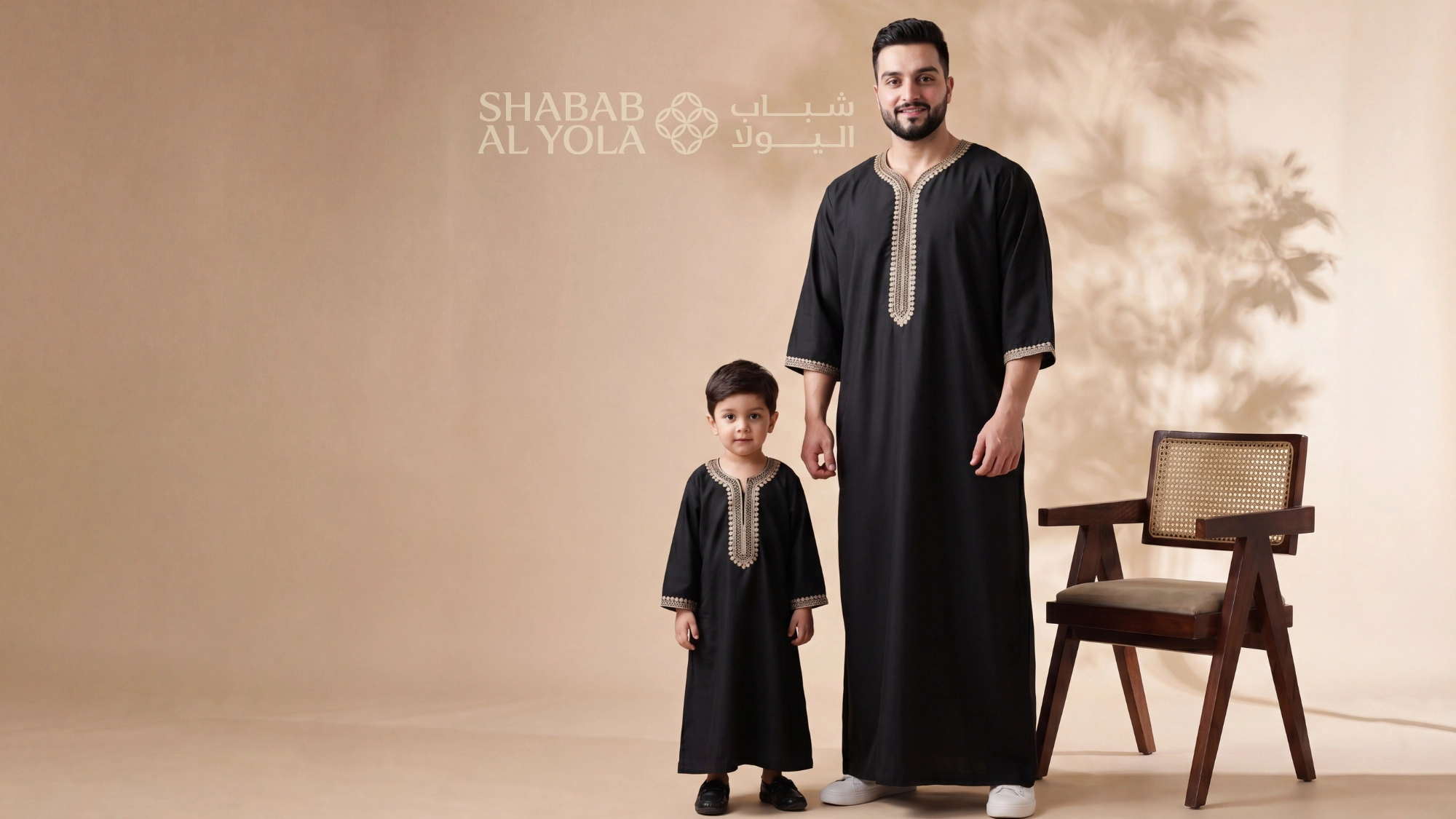
In South Asia, particularly in Pakistan, India, and Bangladesh, the long Islamic robe worn by men is most commonly called a jubba or jubbah. The Arabic term thobe is also understood and used in the region. The jubba is closely associated with religious practice and Islamic identity on the subcontinent.
The standard South Asian jubba is a full-length, long-sleeved robe reaching the ankles. White or off-white is the most common color, as these are traditionally preferred for prayers and religious events.
People usually don’t have a specific preference of thobe style in sub-continent. They mostly choose thobes that are popular in Gulf countries.
The jubba is the standard garment at madrasas. A madrasa is an Islamic school where students study the Quran, hadith, Islamic law, and related religious subjects. Students at madrasas wear the jubba as part of their regular daily dress. The jubba is also worn for Friday prayers, Islamic study circles, and religious gatherings.
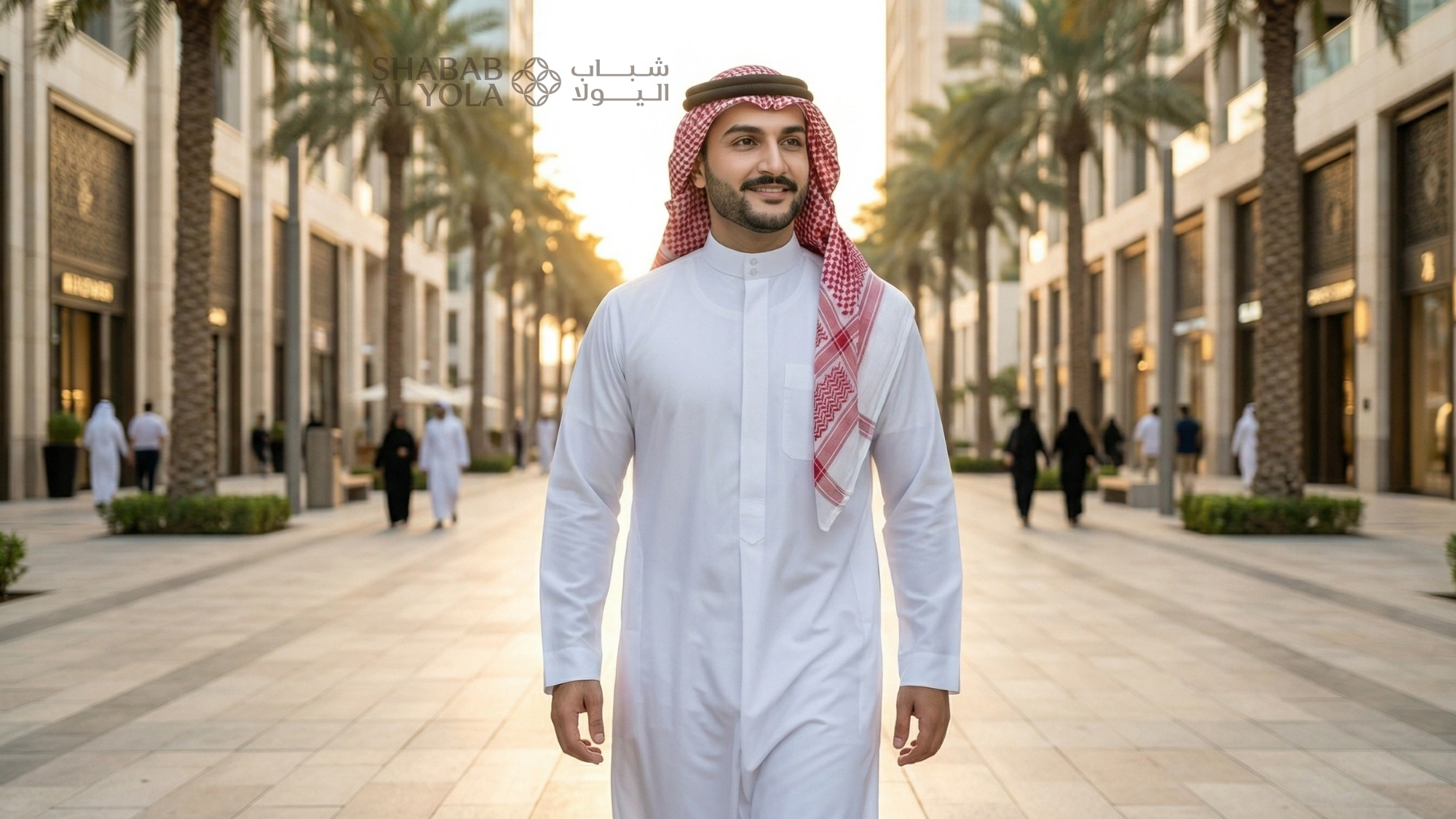
The thobe is not a single garment with a single identity. It is a broad concept that has taken on dozens of different forms across various cultures, climates, and historical periods.
Understanding these differences is a way to get to know the communities that wear them. Each style has been shaped over many generations. Each one belongs to a specific place and to a specific people.