Zia Randhawa - Knowledge Curator
Zia Randhawa serves as the Knowledge Curator for Shabab Al Yola. He has a strong background in fashion history with a keen eye for modern trends. Zia conducts in-depth research on global thobe styles, fabric innovations, and market shifts. His work bridges the gap between traditional modesty and contemporary fashion to provide readers with data-backed insights and style guides.
A thobe is a long robe worn mostly by men across the Arab world. It reaches down to the ankles. It has long sleeves and a loose, simple cut. Millions of men wear one every day. Millions more put one on for Friday prayers, Eid, or a wedding.
The story behind this simple piece of clothing goes back much further than most people expect. It starts in the river valleys of ancient Mesopotamia. It moves through the deserts of pre-Islamic Arabia. Are you curious about history of thobe? Let's start digging.
To find the earliest ancestor of the thobe, you have to travel back roughly five thousand years. You end up in Mesopotamia, the region between the Tigris and Euphrates rivers in what is now Iraq. This area was home to some of the first cities and some of the first written records in human history.
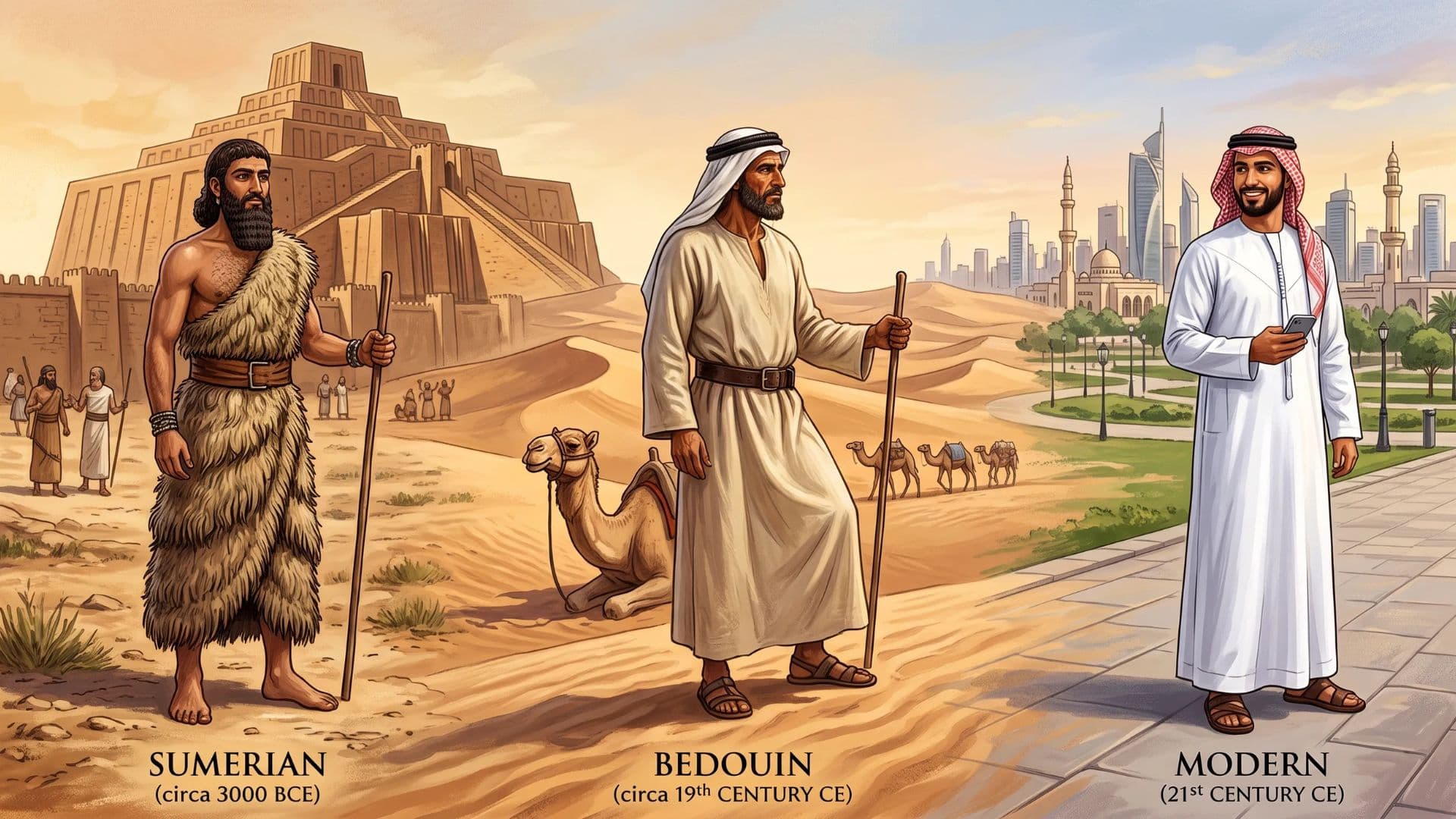
The Sumerians lived in this region from before 4000 BCE. They worked with wool and later linen. They were among the first people to weave cloth on a large scale. Early Sumerian clothing was simple. Men and women wore a sheepskin skirt with the skin turned inside and the wool combed into tufts. Historians often call this garment a kaunakes.
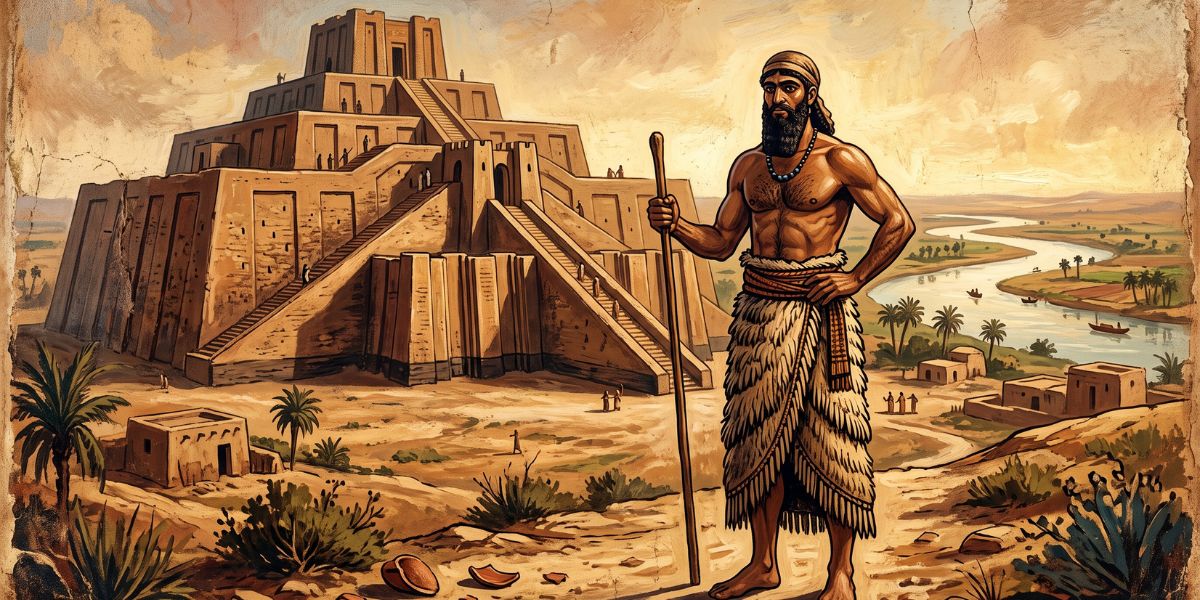
Around 2370 BCE, the style began to shift. People started wearing one large piece of woven material, usually wool and later linen, wrapped around the body over a skirt. This new garment worked like a shawl. It was usually finished with tassels or fringe along the edge. Men wore it so their right arm stayed free, since that was their sword arm. This style spread across the region. The Akkadians picked it up under their ruler Sargon. The Sumerians kept using it during their own later cultural revival.
By the time of the Babylonians and the Assyrians, roughly between 2100 BCE and 540 BCE, clothing had become more detailed. Short tunics were worn under longer shawls or cloaks. The colour of the cloak told you something about the wearer. Kings and officials wore cloaks dyed in red, blue, or purple. These dyes cost a lot to produce. Ordinary people wore plainer, undyed cloth.
You can trace one clear pattern through all of this. A single piece of cloth, cut or draped, covering the body from shoulder to ankle, made from wool or linen. This is the same basic shape you still see in a thobe today. The materials changed many times. The decoration changed many times. The exact cut changed many times. The core idea never did. A loose robe protects the body and marks out status through colour and detail.
Mesopotamia gave the region its early textile skills. The thobe as we picture it today took its final shape further south, in the deserts of the Arabian Peninsula.
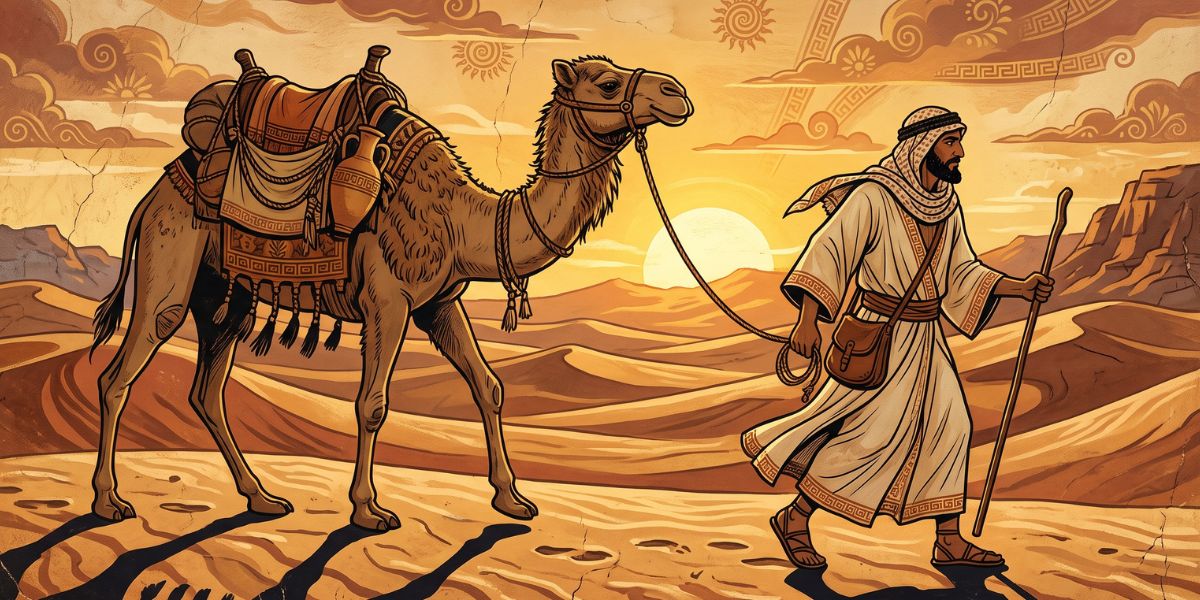
Before Islam arrived in the seventh century, people across Arabia already wore a loose robe close to the modern thobe. Both men and women wore it. City dwellers and nomadic Bedouin groups wore it too. The reasons were practical. The desert brings intense heat during the day and cold at night. It also brings wind-blown sand and dust. A loose robe made from lightweight cotton or linen let air move around the body. It kept the sun off the skin. A head covering, often paired with the robe, protected the head and face during sandstorms.
This was not fashion in the modern sense. It was survival clothing that also happened to look good. The people who wore it were not trying to make a statement. They were trying to get through the day without heat stroke.
Islam arrived in the seventh century CE. It did not invent the thobe. The Prophet Muhammad (P.B.U.H) and the people around him wore the same kind of loose, modest robes that were already common in the region. Islam did not set out one specific design as required clothing. It set out principles instead. Clothing should be modest. It should cover the body properly.
The thobe fit naturally with these principles. It is loose. It covers the arms and legs. It does not sit tight against the body. Many Muslims today consider the thobe a Sunnah-friendly garment for this reason. Sunnah refers to the habits and practices linked to the Prophet Muhammad. Wearing a thobe is not a religious requirement, but it lines up with the modesty that Islamic teaching encourages. It also echoes the style of clothing worn during the Prophet's lifetime.
One of the clearest explanations of how this garment fits into a longer human story comes from Ibn Khaldun. He was an Arab historian and sociologist who lived from 1332 to 1406. Ibn Khaldun studied how different societies developed their clothing over time. He noticed that humans settled on two basic families of dress.
One family wraps around the body without being cut or sewn into shape. Historians call this type izar. The other family is cut and sewn into a defined shape. The thobe belongs to this second family. Its basic shape has stayed remarkably stable across centuries. Fabric, colour, and small details have changed around it many times. The shape underneath has not.
Between the eighth and fourteenth centuries, the Islamic world went through a long stretch of growth in trade, science, and culture. Historians often call this the Islamic Golden Age. Cities like Baghdad, Damascus, and Cairo became centers of learning and commerce. Trade routes connected them all the way from North Africa to Central Asia.
This growth changed clothing too. Silk and fine cotton became easier to get through expanding trade. Wealthy merchants and scholars in cities like Baghdad and Damascus began wearing finer versions of the same basic robe. Plain wool and linen slowly gave way to better material among people who could afford it.
The Ottoman Empire expanded across the region from the fourteenth century onward. Local clothing styles kept splitting apart during this long period. Each area under Ottoman rule developed its own version of loose robes and cloaks. Local climate shaped these versions. Local weaving traditions shaped them too. The tastes of local rulers played a part as well. This is part of the reason a thobe from the Gulf looks different from a jalabiya in Egypt or a djellaba in Morocco today. They all share a common ancestor. Centuries of separate development pulled them apart.
The twentieth century changed how Arab nations saw their own traditional clothing.King Abdulaziz unified the different regions of the Arabian Peninsula into modern Saudi Arabia. After that, a simple garment paired with a head covering became something bigger than clothing. It became a marker of shared national identity.
White cloth was chosen on purpose. Light colours do not absorb heat the way dark colours do. The loose design let air move around the body and stopped heat from building up. Cotton became the material of choice because it breathes well. Out of these practical choices, the plain white thobe became the daily uniform of a new nation.
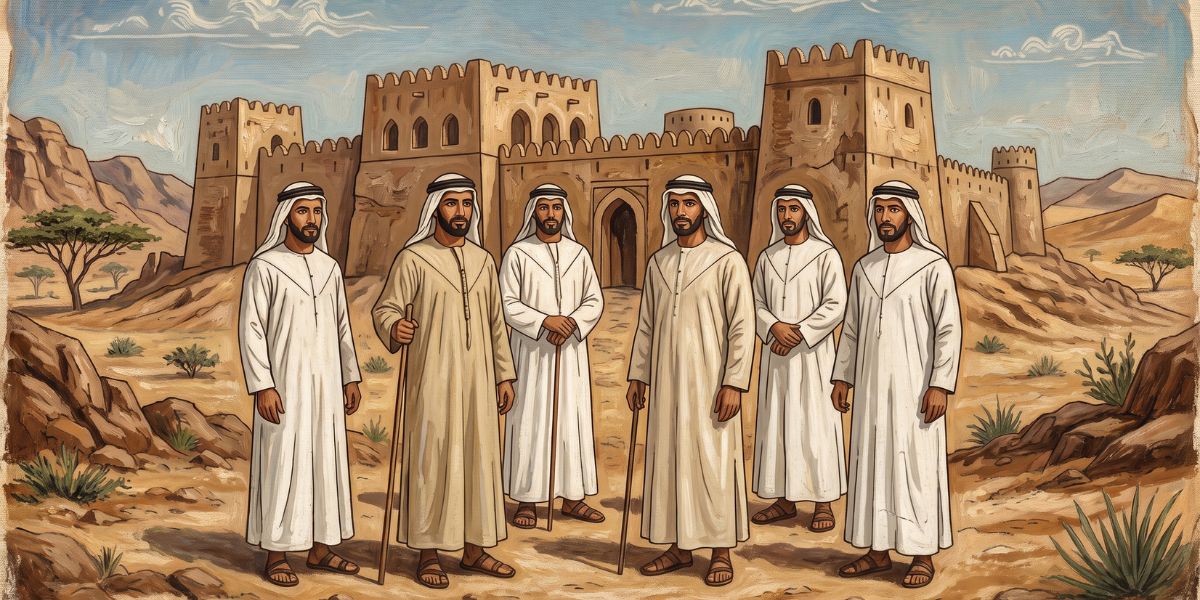
The same pattern played out across the Gulf as other countries built their own modern identities through the twentieth century. Saudi Arabia, the United Arab Emirates, Kuwait, Qatar, Bahrain, and Oman all kept the same basic robe. Each country pushed its own small differences into the design. A collar shape here. A tassel there. A slightly different cut of sleeve. To an outsider, the leaders of these countries can look like they are wearing the same outfit. To someone from the region, small details in the thobe, the bisht, and the ghutra show exactly which country a person is from. These differences are not about comfort or weather anymore. They exist to mark identity.
Oil brought sudden wealth to parts of the Gulf during the twentieth century. This wealth changed daily life fast. It changed how people dressed too.
New income meant new fabric choices and access to a wider range of clothing than earlier generations had. It also brought more exposure to Western clothing, especially among younger people living in fast-growing cities. Television and international travel added to this shift during the 1960s and 1970s. Young men who studied or worked abroad often came home with new habits, including Western clothing for everyday.
Western style clothing became common for everyday life in some countries, especially among younger urban men. The thobe stayed as the outfit for prayer, government work, weddings, and religious holidays.
This shift did not erase the thobe. It changed the role the thobe plays. Instead of being the only option, it became the outfit people choose on purpose, for moments that call for tradition.
No two Gulf countries wear exactly the same thobe. The differences are small, but locals notice them right away.
Here is a breakdown of the main regional styles.
Country | Name | Collar | Tassel |
Saudi Arabia | Thobe | Stand-up Collar | No |
United Arab Emirates | Kandura | No Collar | Yes |
Kuwait | Dishdasha | Stand-up Collar shorter than Saudi | No |
Oman | Dishdasha | No Collar | Side Tassel |
Qatar | Thobe | Classic Shirt Collar | No |
Iraq | Dishdasha | Standard collar | No |
Also Read:Different Types of Thobes
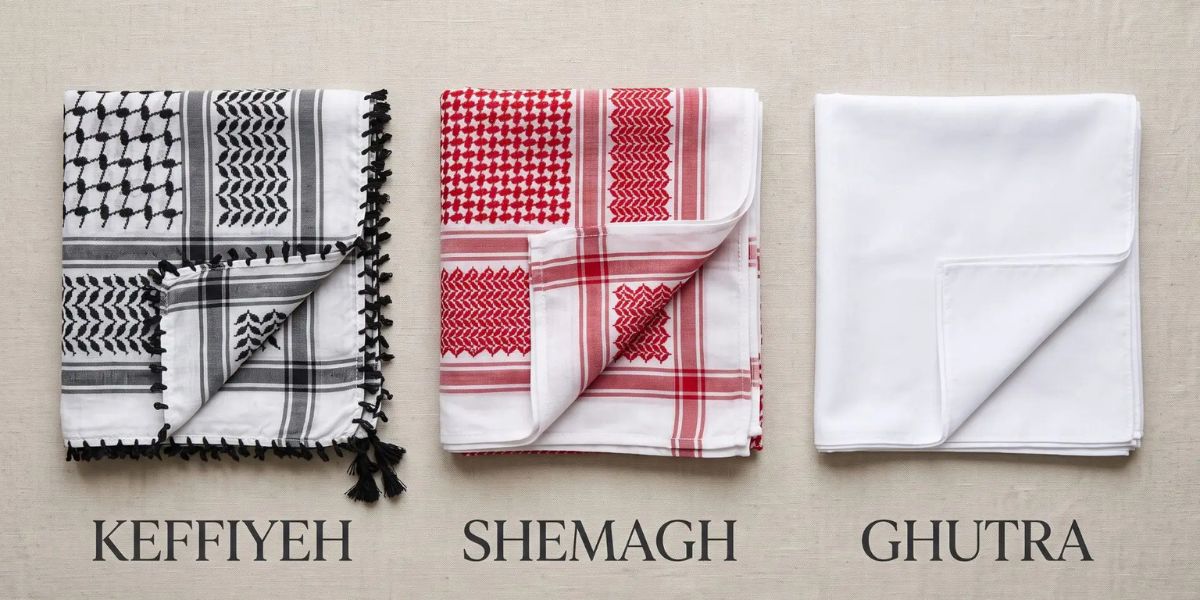
Most men pair it with a head covering. On formal occasions, they add a cloak over the top. The head covering goes by several names depending on the country. People call it a ghutra, a shemagh, or a keffiyeh.
Also Read:Difference Between Ghutra, Shemagh, and Keffiyeh
This piece of cloth has its own long history, and it connects back to the same Mesopotamian roots as the thobe. Carvings from ancient Mesopotamia show Sumerian priests wearing head coverings that date back to around 3100 BCE. Over thousands of years, this simple cloth spread across the region. It picked up different patterns and colours depending on the local community.
The cloth is held in place with a black cord called an agal, sometimes spelled iqal. Historians trace the word back to an Arabic root meaning to tie something down so it does not get lost. It is a practical solution to a simple problem. Without something to hold it down, a loose piece of cloth would blow off in the wind within minutes.
For formal events, many men add a cloak called a bisht over the thobe. This is a light, flowing outer layer, usually worn open at the front. People also call it a mishlah or an aba in some regions. A bisht was traditionally made in Syria, Iraq, and Jordan. It is worn today across the Arabian Peninsula, Jordan, Syria, and parts of southern Iraq. Religious leaders wear it often. It also appears at weddings, at Eid celebrations, and sometimes at funerals. A well-made bisht can signal wealth or a formal position, the way a formal suit jacket might signal status in a Western countries.
A thobe tells you something about the season and the occasion just by looking at it.
Migration played a big part in this shift. Millions of people from Arab and South Asian Muslim communities moved to Europe, North America, and beyond over the twentieth and twenty-first centuries. They brought their clothing traditions with them, including the thobe.
A broader shift also took place inside the fashion industry itself. Modest fashion grew from a niche interest into a serious global market. Global Muslim consumer spending on modest fashion reached around 347 billion dollars in 2024. Industry reports expect that number to climb toward 444 billion dollars by 2029. Thobes make up one part of this larger market, alongside abayas, hijabs, and other modest clothing.
Online shopping made a real difference here too. Small thobe brands that once sold only through a local shop can now reach customers on other continents. A young Muslim living in a small town with no local thobe shop can order thobe online and have it arrive within days.