Imtiaz Ahmed - Head of Tailoring Team
Mr. Imtiaz Ahmed is working as a head of tailoring department at Shabab Al Yola. Over nearly two decades, he has worked with local clients across the Gulf and international customers who expect Gulf-standard tailoring delivered to their door. His hands-on experience covers every major regional style, including Emirati, Saudi, Qatari, Kuwaiti, and Omani cuts, along with the fine details that separate a well-made thobe from a great one. At Shahbab Al Yola, Imtiaz personally oversees the construction of every regional silhouette the brand produces. He knows Gulf garment-making inside out and brings that knowledge into every piece the brand produces.
Many people question "Why do muslims wear thobes", so here we are with the answer. Islam values modest dress, and the Prophet Muhammad (P.B.U.H) wore long, loose clothes throughout his life. Many Muslims follow this example out of respect, not religious obligation. The hot, dry climate of Arabia also made loose clothing a practical choice long before Islam existed. This mix of faith, history, and comfort explains why the thobe remains common across the Muslim world today.
This article covers the religious reasons behind the thobe, its historical roots, the many regional names it goes by, and the accessories and occasions tied to it.
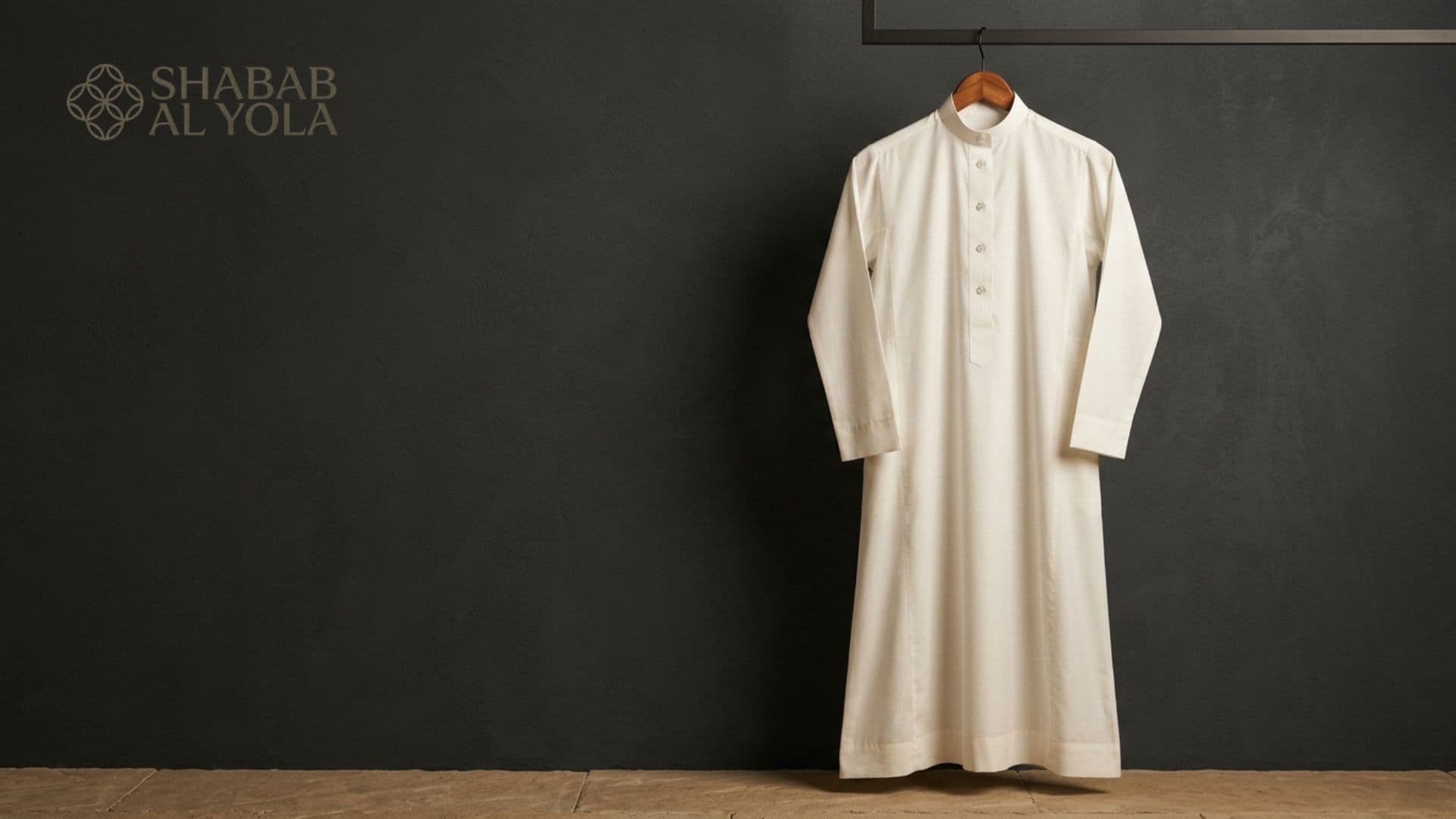
The word thobe comes from the Arabic word thawb which simply means garment or cloth. The word does not point to a specific religious item on its own. Over time, Arabic speakers began using it for one particular style of clothing, a long tunic worn by men.
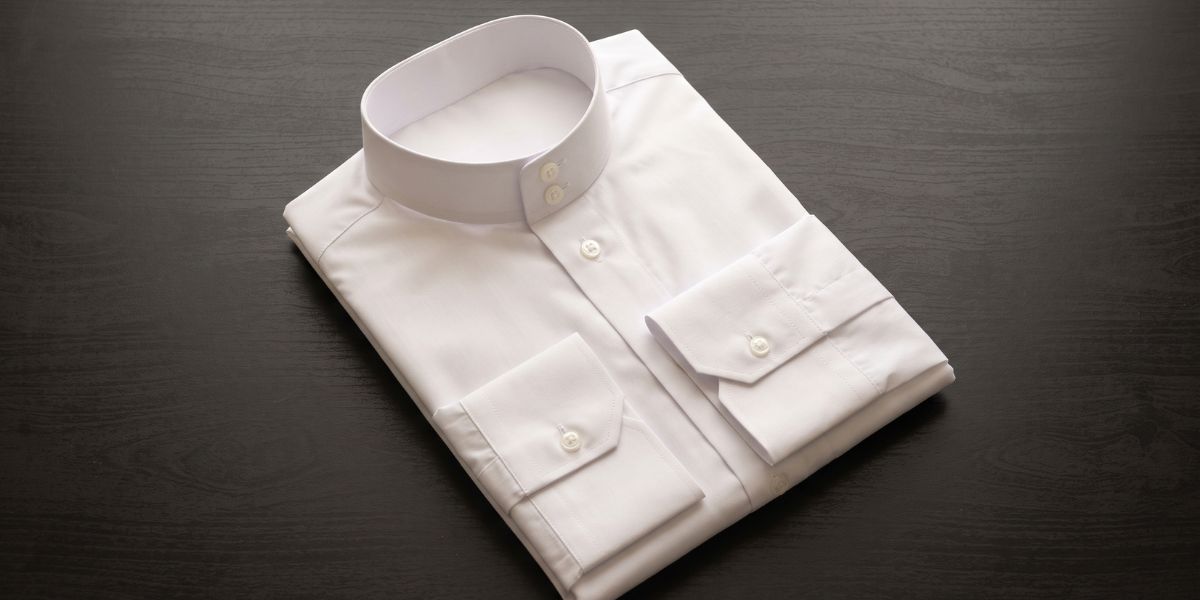
A typical thobe reaches from the neck down to the ankles. It has long sleeves and a loose body. Some styles have a collar similar to a shirt collar. Others are collarless with just a round neckline. Buttons run down the front of the chest, usually between four and eight buttons depending on the design.
Also Read: What is Thobe? Detailed Analysis
Muslims wear thobes for religious, practical, cultural, and personal reasons. Not every Muslim wears a thobe for the same reason, but these are the most common reasons:
The thobe carries meaning beyond its religious background. During prayer (salah), rows of men dressed in similar thobes create a visual sense of equality. Wealth and social status become harder to judge by clothing alone when everyone wears a similar style. This lines up with a broader Islamic teaching that treats all worshippers as equal before God, regardless of income or background.
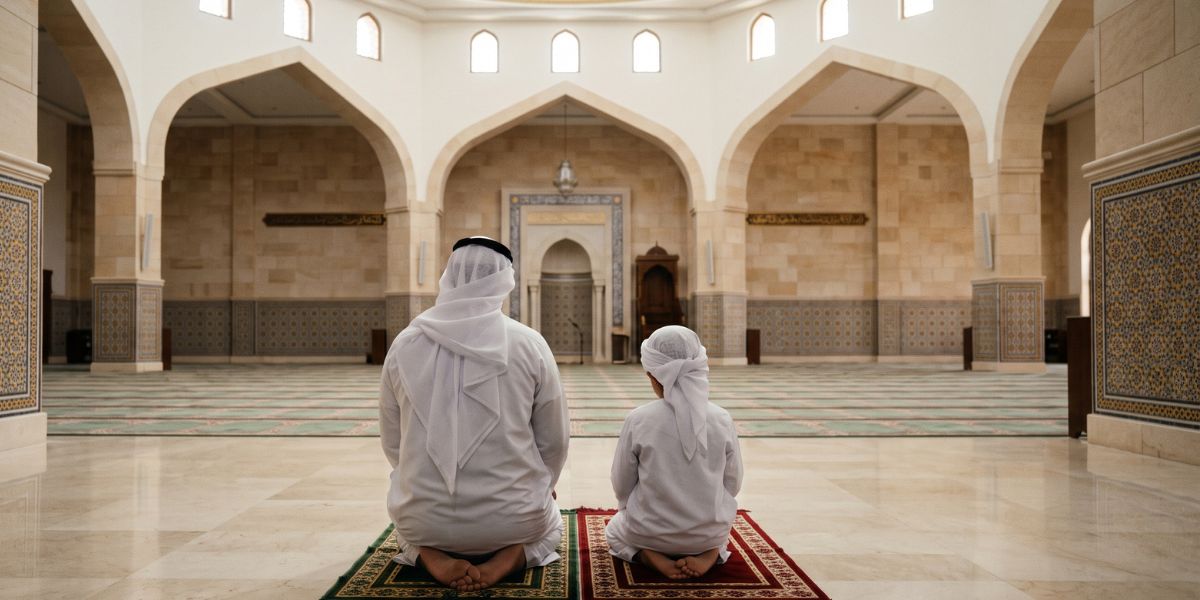
For Muslims living outside the Middle East, wearing a thobe can be a way of holding onto cultural roots and openly showing a connection to Islamic tradition, particularly among younger generations in Western countries.
Thobes appear across a wide range of occasions, from religious to everyday settings.
The thobe is primarily Arab clothing that has also become an important part of Islamic dress for many Muslims.
The garment originated in the Arabian Peninsula, where people wore loose, long robes long before the arrival of Islam. From history of thobes, we cam to know its design was shaped by the region's hot climate and practical daily needs.
Islam did not introduce the thobe as a religious garment. However, because the Prophet Muhammad wore loose and modest clothing similar to the dress of his time, many Muslims came to associate the thobe with the Sunnah and modest Islamic dress. As a result, the thobe gained religious significance for those who choose to wear it as an expression of their faith.
This is why the thobe can have both a cultural and a religious identity. An Arab Christian in the Gulf may wear it simply as traditional regional clothing, while a Muslim convert in Canada may wear it to follow Islamic tradition. In both cases, the same garment serves a different purpose, and both uses are equally valid.
White is the most common color for thobes, especially in Saudi Arabia and the Gulf region. Two separate reasons explain this, one religious and one practical.

Darker colors still have a place. Men in the Gulf commonly switch to navy, brown, or black thobes during cooler winter months or evening events, when heat is less of a concern and a darker shade suits a formal event better.
Not everyone who wears a thobe is Muslim. In parts of Ethiopia, local dress developed alongside centuries of trade and contact with Arab merchants and travelers. Some traditional Ethiopian clothing shares visual similarities with the thobe and it is worn by Christians and Muslims alike in certain communities, without any religious meaning attached for non-Muslim wearers.
In Gulf countries such as Saudi Arabia and the UAE, many non-Muslim expatriates and long term residents wear thobes too, mainly because it fits local dress codes and daily weather far better than Western style suits or casual wear. For these residents, the choice is about climate and local custom rather than faith.
Also Read:Can Non Muslims Wear Thobes?